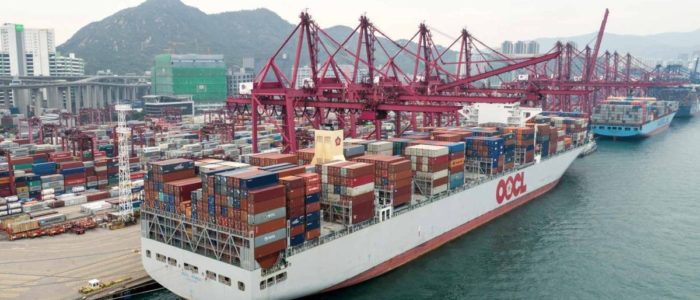
Sky High Ocean Freight Rates From Asia Attract Government Scrutiny
Ocean carriers have been skipping sailings to shore up their bottom line during the virus-induced downturn in manufacturing and consumer demand. Tactical blank sailings combined with record breaking rate spikes in the trans-Pacific trade have increased carrier profitability now that manufacturing and demand are coming back online. Decreased capacity and increased rates are helping ocean carriers recover at the expense of the global economy while suppliers struggle to meet pent up consumer demand. Government regulators have begun to exert pressure on ocean carriers to restore capacity and restrict rate increases. It has been customary to blank sailings during the Chinese Golden Week holiday, however the threat of intervention will surely impact carrier cost manipulations and capacity decisions.
Read more about this trend at:
https://www.freightwaves.com/news/red-hot-ocean-rates-could-spark-government-intervention
(Photo credit: OOCL)
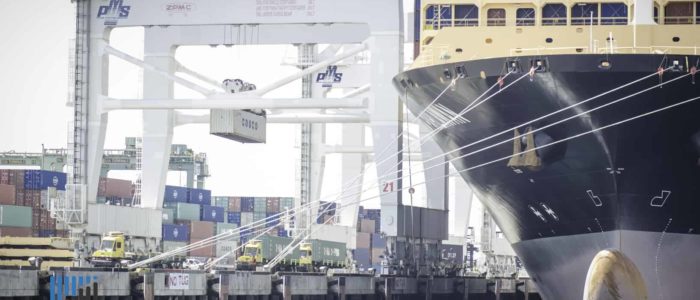
Ocean Freight Rates
Ocean freight rates are impacted by reversals in short and long term demand as a result of the trade wars. According to some analysts, container rates from China typically increase with demand before tariff increases take effect. Once the tariffs are in place, demand softens, creating downward pressure on freight rates. Read more from Freightwaves here.

Steel and Aluminum Tariffs
Steel and aluminum tariffs have been lifted on imports from Canada and Mexico to the US. In return, Canada has agreed to lift the retaliatory tariffs on import of certain products from the US. This move will bring welcome relief to many industries. Imports into Canada still require NAFTA documentation for customs. Once the USMCA is approved by all parties, the requirements are likely to change.
Read more at Transport Topics
(Photo: An employee performs a quality check on a steel slab at a plant in Nanticoke, Ontario, Canada. Cole Burston/Bloomberg)